Hailstorms in Edmonton do not play fair. One cell can leave untouched siding on one wall and crush the north-facing façade with impact marks, micro-cracks, and broken sealant lines. Many homeowners ask the same question after the sky clears: is it worth filing a hail damage claim, or should they pay out of pocket and move on? The honest answer depends on the scale of damage, your deductible, your policy limits, and how the claim could affect your future premiums. The wrong call can leave money on the table, but a rushed claim can be denied or underpaid.
This article lays out how an Edmonton homeowner can make the decision with confidence, with local cost ranges, inspection steps, and insurance realities gathered from years of repairing hail-hit homes across Edmonton, St. Albert, Sherwood Park, and Spruce Grove. It also explains where reliable hail damage contractors in Edmonton add value, especially in documenting damage that is hard to see from the ground.
Why hail damage in Edmonton is different
Edmonton sits in a corridor that sees frequent spring and summer storms with a mix of hail sizes. It is common to see pea to nickel hail multiple times per year, and the city has been hit in the past decade with storm days producing golf-ball impacts. On vinyl siding and aluminum cladding, pea-sized hail can produce pitting on softer alloys and hairline fractures on older vinyl. On asphalt shingles, smaller stones remove granules and bruise mats. With larger hail, expect punctures on roof vents, smashed window screens, dented downspouts, and cracked siding laps and corners.
The local building stock also influences outcomes. Many neighborhoods in the northwest and southeast have two-story homes with long windward walls that take the brunt of the storm. High exposure makes directional damage very likely, which affects repair strategy and whether a full elevation replacement is warranted under “line of sight” provisions.
The three-part decision: deductible, scope, and risk
The first lens is financial. Look at the deductible, then the scope of damage, then the risk of future issues if left unrepaired.
- Deductible: Many Edmonton home policies carry deductibles between $1,000 and $2,500. Some hail riders use a percentage deductible, often 1% of insured value, which can be much higher. If the realistic repair cost is close to or below the deductible, a claim makes little sense. Scope: Hail rarely damages one shingle or one siding course in isolation. The pattern usually runs along elevations and roof slopes. Repair costs for a single elevation of vinyl siding with moderate impact damage can run from $3,000 to $8,000 depending on profile, colour match availability, and access. Roof repairs can range from $1,500 for spot patching vents and a few bundles to $12,000 to $20,000 or more for full roof replacement on an average two-story. Knowing whether you face minor repair or full system replacement changes the math. Risk: Hidden hail damage can shorten roof life by 5 to 10 years. Granule loss exposes asphalt to UV and accelerates brittleness. On siding, micro-cracks can become full splits through freeze-thaw cycles. Failing to address this can lead to water intrusion, swollen sheathing, and mold concerns. Small upfront savings can turn into major repair costs two winters later.
In simple terms: claims are usually worth it when the established damage clearly exceeds the deductible and has a credible risk of spreading or causing secondary damage.
What adjusters need to approve a claim
Insurance adjusters look for evidence that hail directly caused physical damage beyond normal wear. They will confirm date of loss with weather data, assess hail size and direction, and ask for proof that the impact impaired function or reduced expected life of materials. Dents on soft metals like eaves and downspouts often serve as indicator damage. On shingles, trained inspectors test for granule displacement, soft bruising, and broken mats that expose asphalt. On siding, they look for cracks along butt joints, impact stars near the nail hem, and brittle failures when flexed.
Photographs and slope-by-slope or elevation-by-elevation photo logs matter. So does chalking hail hits on shingles and metal. A clear report with counts, measurements, and close-ups turns a vague adjustment into a supported one. This is where reputable hail damage contractors Edmonton homeowners trust make a difference; the documentation often shapes the scope the insurer approves.
Estimating the true scope before calling your insurer
A homeowner can conduct an initial check from the ground. Look for torn window screens, dented downspouts at knee level, and granules piled in gutters or at downspout discharge points. Scan for fractured siding ends and chips on exterior trim. Take date-stamped photos.
For the roof, safe access is a concern. Using binoculars helps, but it will not detect bruised mats. Schedule a no-obligation inspection with a contractor who has storm experience and is willing to produce a written condition report. A good inspection includes roof slope counts, soft metal test photos, shingle bruising documentation, siding elevation notes, and a material list with current pricing. This baseline lets you compare repair cost to deductible and decide whether to involve the insurer.
How filing may affect your premiums in Alberta
In Alberta, a single weather-related claim can influence premiums at renewal, though practices vary by carrier. Insurers may look back three to five years on claim history. One hail claim may nudge rates up modestly or affect eligibility for certain discounts. Multiple weather claims in a short period can have a larger effect. Some carriers apply a weather event as a “catastrophe” claim, which can soften individual rating impact, but this is not guaranteed.
The real risk is claiming small amounts repeatedly. A $1,800 repair against a $1,000 deductible saves $800 now but may cost more over a couple of renewals. In contrast, a $14,000 approved replacement that restores the envelope to full integrity often justifies the premium shift. This is why claim size relative to deductible and long-term benefit should drive the decision.
Repair versus replacement: material-specific realities
Asphalt shingles: If hail stripped granules across multiple slopes, bruised mats, or cracked shingles are found, replacement is often appropriate. Patching can work for isolated areas, but colour match is difficult, and the remaining field may age unevenly. Insurers usually require damage frequency thresholds per square to approve replacement; detailed counts support this.
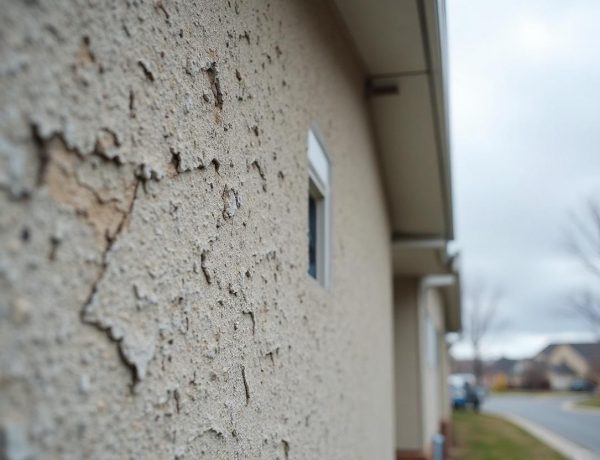
Vinyl siding: Hairline cracks near nailing hems, star bursts at impact points, and chalking of the surface layer are common after storms. If matching the original profile or colour is impossible due to age or product discontinuation, insurers may owe for full elevation replacement to maintain a consistent appearance. Directional damage makes one or two elevations the usual focus, but wind-driven hail can affect all sides.
Metal components: Dented fascia, eavestroughs, and downspouts often require replacement because they hold water and must maintain slope. Damaged roof vents and flashing should be swapped to prevent leaks.
Windows and cladding details: Broken seals, stress cracks in panes, and chipped exterior trims need attention. Even if a pane is not shattered, a compromised seal can cause fogging months later.
A thorough estimate accounts for code upgrades where applicable. For example, replacing to current underlayment requirements or ice and water barrier coverage at eaves is common. Edmonton inspectors may require these upgrades during permitted roof replacements.
Documenting damage the right way
Insurers respond to credible evidence. Practical steps improve outcomes:
- Mark hail hits on shingles and soft metals with chalk, then photograph with a ruler for scale. Capture overviews and close-ups for each slope and elevation. Label images by location and direction. Include photos of gutters showing granule accumulation and downspouts showing dent patterns. Show cracked siding at joints and corners, not just broad wall shots. Provide a written estimate with materials, quantities, and unit pricing based on current Edmonton supplier rates.
A complete package helps the adjuster approve scope in one visit rather than splitting the file into multiple re-inspections.
Timing the claim around Edmonton weather
Hail season peaks from May through September, and contractors fill schedules quickly after major events. Filing promptly preserves evidence and secures earlier repair dates. Waiting through a winter can exacerbate problems; freeze-thaw cycles widen micro-cracks, and wind lifts weakened shingles. Most policies require prompt notice of loss, and delaying for many months can complicate causation arguments.
That said, rushing an unprepared claim can backfire. A short pause to obtain a professional inspection and a clean photo set is worth a few days. If tarping or temporary sealing is needed, do it immediately and keep receipts; most carriers reimburse reasonable temporary protection costs.
What an Edmonton-specific estimate should show
A reliable estimate for hail repairs in Edmonton usually breaks out the following: roof tear-off and disposal, shingle supply by bundle count, underlayment and ice barrier areas, vents and flashing, eavestrough linear feet, downspouts, siding square footage by elevation, starter strips, J-channels, corners, trims, and labour for access complexity. It should include separate line items for steep or high roof charges, two-story access, and soft metal replacements.
Pricing fluctuates with supply conditions. After larger storms, shingle and siding availability tightens and colours go on backorder. A contractor who tracks local inventory can recommend in-stock options that align with insurer allowance and minimize delays.
Colour match challenges and your rights
One recurring pain point is colour discontinuation. Many homes in Edmonton built in the early 2000s have siding lines that are no longer manufactured. The insurer may propose spot repairs with the closest modern colour, but the mismatch can be obvious from the curb. Policy language and provincial guidelines influence outcomes, but “line of sight” arguments are often persuasive: if repairs create a visible patchwork, the reasonable fix is full-elevation replacement. Photo comparisons under daylight help make the case.
For shingles, manufacturers update blends over time. Even if the product name matches, the hue may be off. If only a few bundles are replaced, that patch can telegraph on the front slope. Insurers are more likely to consider full slope replacement when the pattern would be conspicuous on a primary elevation.
Avoiding common claim mistakes
The most frequent errors are easy to avoid. Calling the insurer without understanding the scope leads to an early denial or a minimal repair allowance that is hard to expand later. Accepting a low initial payout without comparing to a full estimate leaves you short on materials and labour. Hiring door-to-door crews without local references risks poor workmanship and warranty problems. Skipping permits when required delays final inspections and can affect sale disclosures.
A measured approach works better: get a qualified assessment, decide based on numbers, file with documentation, meet the adjuster with your contractor present, and review the approved scope against the estimate before work begins.
How hail damage contractors in Edmonton support the process
Experienced local contractors do more than replace shingles and siding. They interpret storm patterns, understand carrier thresholds, and write estimates that match insurance formats. They bring the right ladder heights for two-story walk-throughs, know where hail tends to cause hidden damage on vent stacks and ridge caps, and can spot cracks at siding terminations that most people miss. They also schedule repairs in a sequence that protects vulnerable areas first, such as sealing compromised flashing and replacing dented vents before heavy rain.
Depend Exteriors works across Edmonton and nearby communities with a clear approach: inspect, document, and give a straight answer on whether a claim is likely to be worthwhile. If the damage does not clear the deductible or looks like normal aging, the team says so and suggests maintenance instead. If it does, they prepare a photo-rich report and meet adjusters on site to align on scope.
A quick decision framework for Edmonton homeowners
Use this simple flow to decide your next step. First, confirm your deductible and whether your policy uses a percentage or flat amount. Second, book a same-week hail inspection from a trusted local contractor and request a written estimate with photos. Third, if the verified repair cost is at least 1.5 to 2 times your deductible and includes components with clear functional damage, proceed to file the claim. If the cost barely exceeds the deductible, weigh potential premium impacts against the benefit. Fourth, meet the adjuster with your contractor present to review documented damage and material availability. Fifth, once the claim is approved, schedule repairs promptly to avoid weather exposure and material backorders.
Real numbers from recent Edmonton projects
A two-story home in Windermere with directional hail on the west elevation required full siding replacement on that face, plus new eaves and two downspouts. The estimate came in around $6,200. The homeowner had a $1,500 deductible. Filing was sensible, and the insurer approved the scope after a joint inspection. Repairs took two days, with colour continuity preserved by replacing the entire elevation.
A bungalow in Northmount showed bruised shingles across the north and east slopes, with dents on all roof vents. The estimate for full roof replacement with standard laminated shingles, new vents, and ice barrier at eaves was $11,800. Deductible was $2,000. The claim proceeded, and the carrier paid for full roof replacement after photos documented mat fractures and granule displacement beyond threshold counts.
A duplex in Charlesworth had minor screen tears and a few cracked vinyl pieces on the leeward side. Repair costs were approximately $1,200. With a $1,000 deductible and a recent prior claim, the owner opted to pay out of pocket and avoid opening another file. That choice fit the numbers.
What to expect during the insurer site visit
Adjusters in Edmonton vary in experience. Some climb roofs; others use drones or rely on contractor ladders. A smooth visit follows a clear plan: start with soft metals to establish hail size and direction, move to each roof slope with chalk circles and counts, then inspect siding elevations, windows, and accessories. Have measurements and quantities on hand. Be ready to discuss product availability and whether the original siding line is discontinued. If colour matching is a problem, present proof from suppliers showing the mismatch.
If the adjuster needs to revisit or consult a manager, that is normal after large storm events. Keep communication factual and focused on the physical damage and the practical repair path.
Repairs that protect against the next storm
Today’s replacement is tomorrow’s first defense. Request ridge cap shingles with higher impact resistance ratings if your budget and policy allow. For siding, consider slightly thicker vinyl or fiber cement on highly exposed elevations, understanding that insurers cover like-for-like by default, but homeowners sometimes choose to pay the difference for upgrades. Ensure proper underlayment coverage, drip edges, and sealed penetrations. Small details like kick-out flashing where roof planes end at walls prevent future water staining and rot.
Quality installation matters as much as product selection. Fasteners at correct spacing, straight courses, proper starter strips, and tight flashing transitions make the envelope more resilient under the next hail event.
When the right answer is not to claim
There are cases where filing is not the prudent move. If damage is cosmetic and limited to minor dents on eaves with no functional impact, or if repair costs fall within a few hundred dollars of the deductible, paying out of pocket can keep your loss history clean. If you plan to sell soon and the damage is minimal, a small repair and a receipt may be better than a claim on record. Always keep dated photos to show maintenance and condition at time of sale.
How Depend Exteriors can help now
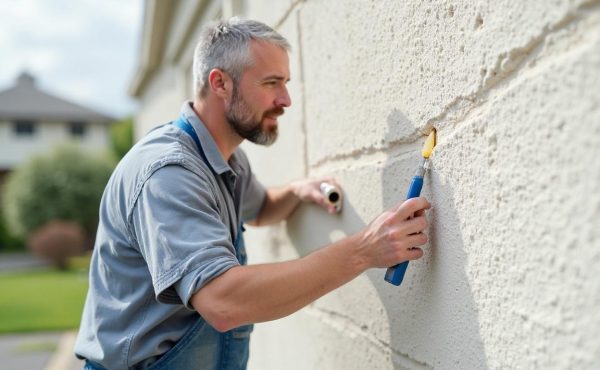
Depend Exteriors provides prompt hail inspections, photo documentation, clear estimates, and repair or replacement for roofing, siding, and exterior metals across Edmonton, AB. The team coordinates with insurers, meets adjusters on site, and follows through with clean, code-compliant work that stands up to Edmonton weather. They focus on honest recommendations first. If a claim makes sense, they say so and help build a strong file. If it does not, they explain why and outline a practical repair plan.
Homeowners searching for hail Depend Exteriors EIFS hail damage repair Edmonton damage contractors Edmonton can rely on can book a same-week inspection with Depend Exteriors. The process is simple: a site visit, a straightforward report, and a clear path forward. Call or request a consultation online to get on the schedule before the next storm rolls through.
Depend Exteriors – Hail Damage Stucco Repair Experts in Edmonton, AB
Depend Exteriors provides hail damage stucco repair across Edmonton, AB, Canada. We fix cracks, chips, and water damage caused by storms, restoring stucco and EIFS for homes and businesses. Our licensed team handles residential and commercial exterior repairs, including stucco replacement, masonry repair, and siding restoration. Known throughout Alberta for reliability and consistent quality, we complete every project on schedule with lasting results. Whether you’re in West Edmonton, Mill Woods, or Sherwood Park, Depend Exteriors delivers trusted local service for all exterior repair needs.
Depend Exteriors
8615 176 St NW
Edmonton,
AB
T5T 0M7
Canada
Phone: (780) 710-3972
Website: dependexteriors.com | Google Site | WordPress